
The Foundation of Recitation

Basic Quran Reading

1 on 1
Class Structure

24/7 Support Availability

Male/Female Native Instructors

1200+ Enrolled Students
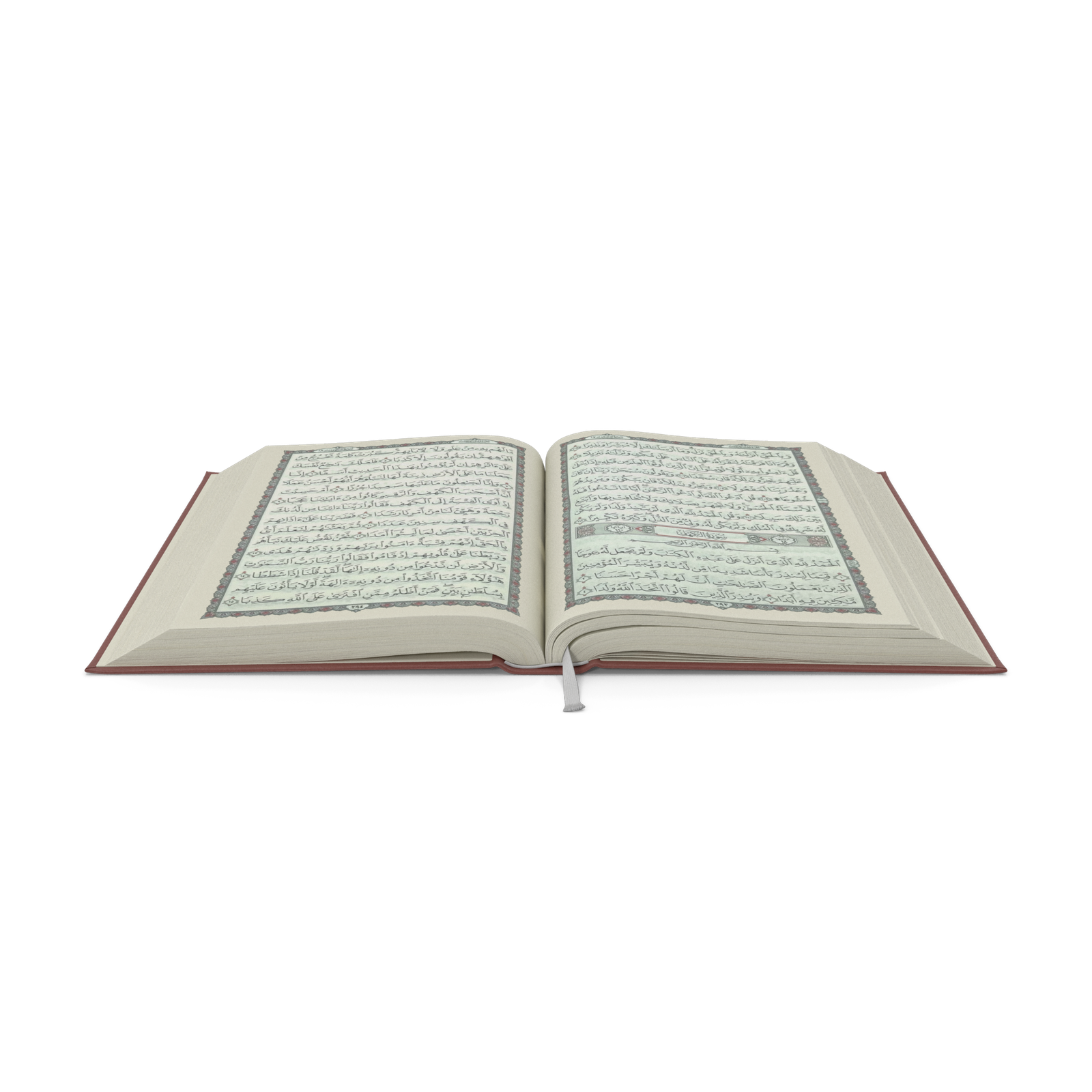

Starting your journey with basic Quran reading can feel overwhelming — but it doesn’t have to be. Whether you’re a Muslim eager to connect with your faith or a curious learner exploring the Quran’s teachings, this guide will walk you through everything you need to know to get started confidently.

In this Quran reading guide, you’ll learn how to recognize Arabic letters, how to read the Quran in English, where to find online Quran reading classes, and get honest answers to the most common questions beginners ask.

Let’s begin.

Basic Quran Reading: The Complete Beginner's Guide to Learning How to Read the Quran
Online Quran Memorization Course | Learn Hifz with Certified Huffaz

The Quran is the key to guidance; learning its basics is the first step to enlightenment.

Basic Quran Learning

Duration: 30 Minutes
Languages: Urdu
Tutor: Male/Female
Class Structure: 1-on-1

What Is Basic Quran Reading?

Basic Quran reading refers to learning to recognize and correctly pronounce the Arabic letters, vowel marks (harakat), and recitation rules (Tajweed) that form the foundation of reading the Quran. Even if you don’t speak Arabic fluently, you can learn to read the Quran with proper pronunciation through consistent practice and the right guidance.

The Quran is written in Classical Arabic and uses a script that reads right to left. Beginners typically start with the Arabic alphabet (28 letters), short and long vowels, and then progress to joining letters into words.

How to Start Reading the Quran: A Step-by-Step Guide

  • Before anything else, you need to become familiar with the 28 Arabic letters. Each letter can take different forms depending on its position in a word (beginning, middle, or end). Many beginners use the Noorani Qaida — a widely used primer specifically designed for Quran reading basics.

    Tips for learning the alphabet:

    • Practice 2–3 new letters per day
    • Use audio resources to hear correct pronunciation
    • Write each letter repeatedly to build muscle memory
  • Arabic vowel marks (fatha, kasra, damma) sit above or below letters and guide pronunciation. The Quran’s text (Mushaf) is fully vowelized, which makes it easier for beginners to read than everyday Arabic text.

  • Once you know the letters and vowels, practice combining them into syllables and simple words. Resources like the Noorani Qaida or Qaida Baghdadiyya guide learners through this stage systematically.

  • Tajweed refers to the rules of proper Quran recitation — including elongation (madd), nasalization (ghunnah), and stopping rules (waqf). You don’t need to master all Tajweed rules before you start reading, but learning the basics early prevents bad habits later.

  • Begin with the shorter surahs at the end of the Quran (Juz ‘Amma), such as Surah Al-Fatiha, Surah Al-Ikhlas, and Surah Al-Falaq. These are short, frequently recited, and perfect for building reading confidence.

  • Even 10–15 minutes of practice daily will lead to noticeable progress within weeks. Consistency matters far more than the length of each session.


Quran Reading for Beginners: Key Resources

The Noorani Qaida is one of the most popular beginner-level tools for learning to read the Quran. It introduces letters, vowels, and words in a gradual, structured sequence. Available in print and as apps, it is suitable for both children and adults.

Quran Reading Apps

Several apps support beginners with audio recitation, transliteration, and translation:

  • Quran.com — free, full Quran text with transliteration and multiple translations
  • Muslim Pro — Quran reader with audio by renowned reciters
  • Tarteel AI — AI-powered recitation practice with real-time feedback [needs source for accuracy claims]

Online Quran Reading Classes

If you prefer structured, teacher-led learning, online Quran reading classes are widely available. Platforms connect students with qualified tutors via live video sessions. Look for teachers who are certified in Tajweed and have experience teaching beginners.

What to look for in an online class:

  • One-on-one or small group sessions
  • Qualified, certified tutor
  • Flexible scheduling
  • Trial class option before committing

Live Online Tutoring

Platforms such as Quran Academy, Tarteele Quran, and similar services offer one-on-one sessions with certified teachers. This is the most effective method for beginners as you get immediate correction and personalized feedback.

Self-Paced Video Courses

YouTube channels and e-learning platforms offer free and paid Quran reading courses. These are flexible but require strong self-discipline.

Quran Reading Apps with Audio

Apps like Quran.com allow you to follow along with recitations by renowned reciters (qaris), helping you train your ear alongside your reading.

Community Classes

Many local mosques and Islamic centers now offer hybrid or fully online Quran classes for beginners of all ages.

How to Read the Quran in English

If you’re not yet able to read Arabic, reading the Quran in English translation is a completely valid way to engage with its meaning and message.

Popular English Quran Translations:

  • The Clear Quran by Dr. Mustafa Khattab — widely praised for accessible, modern English
  • Sahih International — commonly used in academic and Islamic study contexts
  • The Meaning of the Holy Quran by Abdullah Yusuf Ali — a classic, more literary translation

Many readers use transliteration (the Arabic text written in English letters) as a bridge while learning the Arabic script. Quran.com provides both transliteration and translation side by side.

Note: Translations convey the meaning of the Quran but are not considered the Quran itself in Islamic tradition. For prayer (salah), Arabic recitation is required

Quran Learning Basics: What Every Beginner Should Know

  • The Quran has 114 chapters (surahs) and 6,236 verses (ayahs) [needs source confirmation for exact verse count, which varies slightly by counting method].
  • It is divided into 30 equal parts (juz) to help with structured reading, particularly during Ramadan.
  • The language of the Quran is Classical Arabic, distinct from Modern Standard Arabic or spoken dialects.
  • Recitation follows rules called Tajweed, which preserve the original pronunciation passed down orally through generations.
  • Many Muslims memorize the Quran in full — a person who does so is called a Hafiz (male) or Hafiza (female).

What You Need to Start

Our online classes are conducted in a structured and interactive manner, ensuring a personalized experience. All you need is:

PC/Laptop/Tablet

Internet

Headphones/Mic

Skype or Zoom

Get Started

Start Free Trial Today!

Join Al-Hidayat-ul-Quran Academy and begin your journey toward Quranic excellence with 3 free trial classes.

FAQs Answered

How to Read the Quran

Find answers to the most commonly asked questions about our courses, teaching methods, and learning experience. Feel free to reach out to us!

You read the Quran from right to left, beginning with the Bismillah ("In the name of God, the Most Gracious, the Most Merciful") before each surah (except Surah At-Tawbah). Start by learning the Arabic alphabet and vowel marks, then practice joining letters and reading short surahs. Most learners begin with the Noorani Qaida or a structured beginner course.

To complete one full reading: An average reader takes approximately 10 to 30 hours to read the entire Quran. If you read for one hour a day, you can complete it in about two to four weeks. During Ramadan, many Muslims complete the full Quran by reading one juz (part) per day over 30 days.

To learn to read from scratch: With regular daily practice (15–30 minutes), most beginners can read simple Arabic text within 3 to 6 months. Reading the Quran fluently with proper Tajweed typically takes 1 to 2 years of consistent study.

This is a question with nuanced answers depending on Islamic scholarly opinion:

  • Touching the physical Mushaf (printed Quran): The majority scholarly opinion holds that wudu (ritual purification) is required before touching the physical Quran. This is based on the verse of the Quran (56:79) and established scholarly consensus (ijma) [needs source for specific hadith references].
  • Reading from memory or a screen: Many scholars permit reading the Quran aloud from memory or viewing it on a screen or app without wudu, though being in a state of purity is always recommended and considered more respectful.
  • Best practice: Consult a qualified Islamic scholar or imam for a ruling specific to your situation and madhab (school of jurisprudence).

This is another area of scholarly difference of opinion:

  • Touching the Mushaf: Most classical scholars hold that a woman in a state of menstruation (hayd) should not touch the physical Quran without a barrier (such as gloves or a cloth).
  • Reading aloud or from memory: Opinions differ. Some scholars permit recitation from memory during menstruation; others do not. Reading from a phone or tablet (not touching the Mushaf itself) is a position some contemporary scholars accept.
  • Recommendation: Seek guidance from a qualified scholar from your tradition, as this ruling depends on which school of Islamic law you follow. Many women during this time engage with the Quran through listening, reflection on meaning (tadabbur), and supplication (dua).

Yes, absolutely. You can read the Quran online through several reputable platforms:

  • Quran.com — free, full Quran in Arabic with transliteration, multiple translations, and audio
  • Tanzil.net — clean Quran text in multiple scripts and translations
  • Al-Quran.info — side-by-side Arabic and English
  • IslamicNetwork.com API — for developers integrating Quran data

Reading the Quran on a phone or computer is widely accepted among contemporary Islamic scholars, and many apps provide a seamless reading experience.

To learn Quran online effectively:

  1. Choose your method — live tutor, video course, or self-study app
  2. Start with a foundation — learn Arabic letters via Noorani Qaida or equivalent
  3. Practice daily — even 15 minutes of consistent daily practice beats irregular long sessions
  4. Use audio — listen to reciters on Quran.com or YouTube to develop correct pronunciation
  5. Find a qualified teacher — for serious learning, a certified Tajweed teacher provides corrections you can't get from self-study alone
  6. Track your progress — set goals (e.g., learn 3 letters per week, complete one juz per month)

Beginners typically start with correct articulation points (Makharij), rules of Noon Sakinah and Tanween, rules of Meem Sakinah, and basic stopping (Waqf) signs before progressing to more advanced rules.

 Yes. Many adult students start with no prior Arabic knowledge. Classes begin with Noorani Qaida and build up gradually, so age and starting level are not barriers.

Scroll to Top